
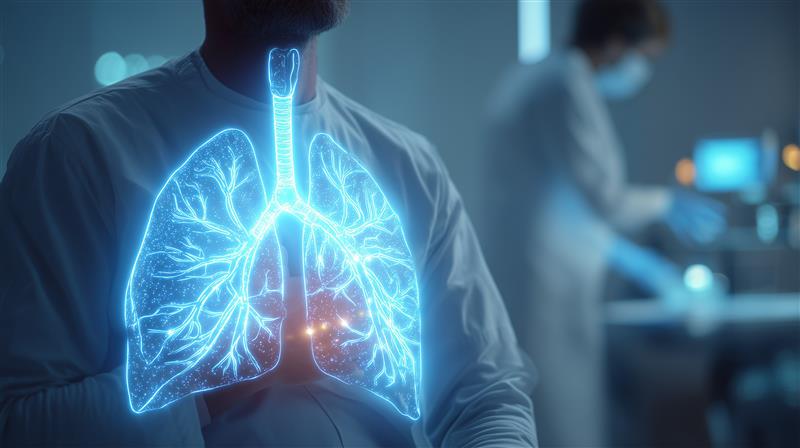
What is Lung Cancer?
Lung cancer is a disease where cells in the lungs grow out of control. These cells can form a lump called a tumor. Over time, the tumor can spread to other parts of the body. Because lung cancer is serious, early detection is important. According to the World Health Organization (WHO), lung cancer is one of the most common cancers worldwide. However, knowing the facts can help you take action early.
Common Symptoms of Lung Cancer
Many people do not notice symptoms at first. Still, some early signs of lung cancer may appear. Watch for these symptoms:
Sometimes, these symptoms can be caused by other health problems. But if you notice any of them, it is wise to see a doctor soon.
Major Causes and Risk Factors
There are several known causes and risk factors for lung cancer. The most common cause is smoking. However, even non-smokers can get lung cancer. Here are some major risk factors:
For example, people who smoke have a much higher risk. But, quitting smoking at any age can lower your risk. Also, avoiding harmful chemicals helps protect your lungs.
How Lung Cancer is Diagnosed
Doctors use several tests to diagnose lung cancer. First, they may ask about your symptoms and medical history. Next, they might order imaging tests, such as:
If a suspicious area is found, doctors may do a biopsy. This means they take a small sample of lung tissue to check for cancer cells. Sometimes, other tests like sputum cytology (examining mucus) or PET scans are used. Early diagnosis can improve treatment outcomes.
Treatment Options for Lung Cancer
Treatment for lung cancer depends on the type, stage, and your overall health. Your doctor will discuss the best lung cancer treatment options for you. Common treatments include:
Sometimes, doctors use a mix of these treatments. Side effects can happen, but your care team will help manage them. New treatments are being studied all the time, so options continue to improve.
Lifestyle Tips and Prevention Strategies
While not all cases can be prevented, you can lower your risk. Try these lung cancer prevention tips:
Additionally, regular check-ups can help catch problems early. If you have a family history of lung cancer, talk to your doctor about screening options.
When to See a Doctor
If you notice any early signs of lung cancer, do not wait. For example, a cough that lasts more than three weeks should be checked. Also, see a doctor if you cough up blood or have chest pain. Early action can make a big difference. Your doctor can guide you on the next steps and recommend tests if needed.
In summary, knowing the symptoms, causes, and treatment options for lung cancer can help you stay informed. For personalized advice on lung cancer, consult a healthcare specialist.