What is a Mammogram?
A mammogram is a special X-ray of the breast. Doctors use it to look for early signs of breast cancer. Because mammogram screening can find changes before you feel a lump, it helps with early breast cancer detection. This test uses low-dose X-rays to take clear pictures of breast tissue. Most women find the procedure quick and safe.
Why Are Mammograms Important?
Mammograms play a key role in finding breast cancer early. Early detection means treatment can start sooner. As a result, the chances of a good outcome improve. According to the CDC, regular mammogram screening lowers the risk of dying from breast cancer. In many cases, mammograms find cancer before symptoms appear.
Who Should Get a Mammogram?
Not everyone needs a mammogram at the same age. However, most experts suggest:
Because every person is different, your doctor can help decide the best time for you.
How to Prepare for a Mammogram
Getting ready for a mammogram is simple. Still, a few steps can help make the process smoother:
Above all, ask your clinic if you have questions before your appointment.
What to Expect During the Procedure
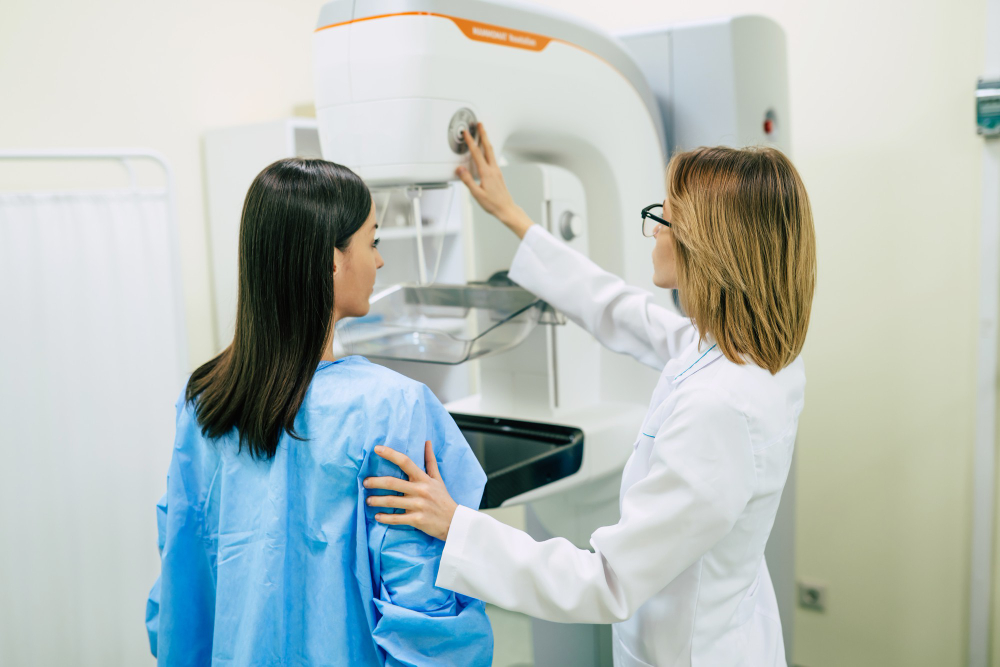
During a mammogram procedure, you will stand in front of a special X-ray machine. The technologist will place your breast on a flat plate. Next, another plate will press down gently to spread the tissue. This helps get a clear picture. Although the pressure may feel uncomfortable, it lasts only a few seconds. Usually, the whole test takes about 20 minutes.
Understanding Mammogram Results
After your mammogram, a doctor called a radiologist will review the images. You will get your results within a few days. The report may say:
If you need more tests, your doctor will explain the next steps. Remember, most abnormal results are not cancer.
Benefits and Risks of Mammograms
Mammograms offer many benefits, but there are also some risks. Here is what you should know:
Even so, experts agree that the benefits of mammogram screening outweigh the risks for most women.
Tips for a Comfortable Experience
Although mammograms can feel awkward, these tips may help:
With a little planning, your mammogram can be more comfortable.
Frequently Asked Questions
Conclusion
Mammogram screening is a key tool for breast cancer detection. Early testing can save lives. If you have questions or concerns, consult a healthcare provider to learn if a mammogram is right for you.